
Hip Pain Treatment in Purley
Hip pain can show up in different places. You might feel it deep at the front of the hip or in the groin, on the outer side of the hip, in the buttock, or sometimes spreading into the thigh. It can come on suddenly after a change in activity, or build gradually until walking, stairs, sleep, or exercise start to feel uncomfortable.
Hip pain can be worrying, particularly when it keeps returning or starts limiting what you can do. In many cases, the next step is simply a clear assessment to understand what is most likely contributing and what a sensible recovery plan looks like. If you’re looking for hip pain treatment in Purley, you can book online below.
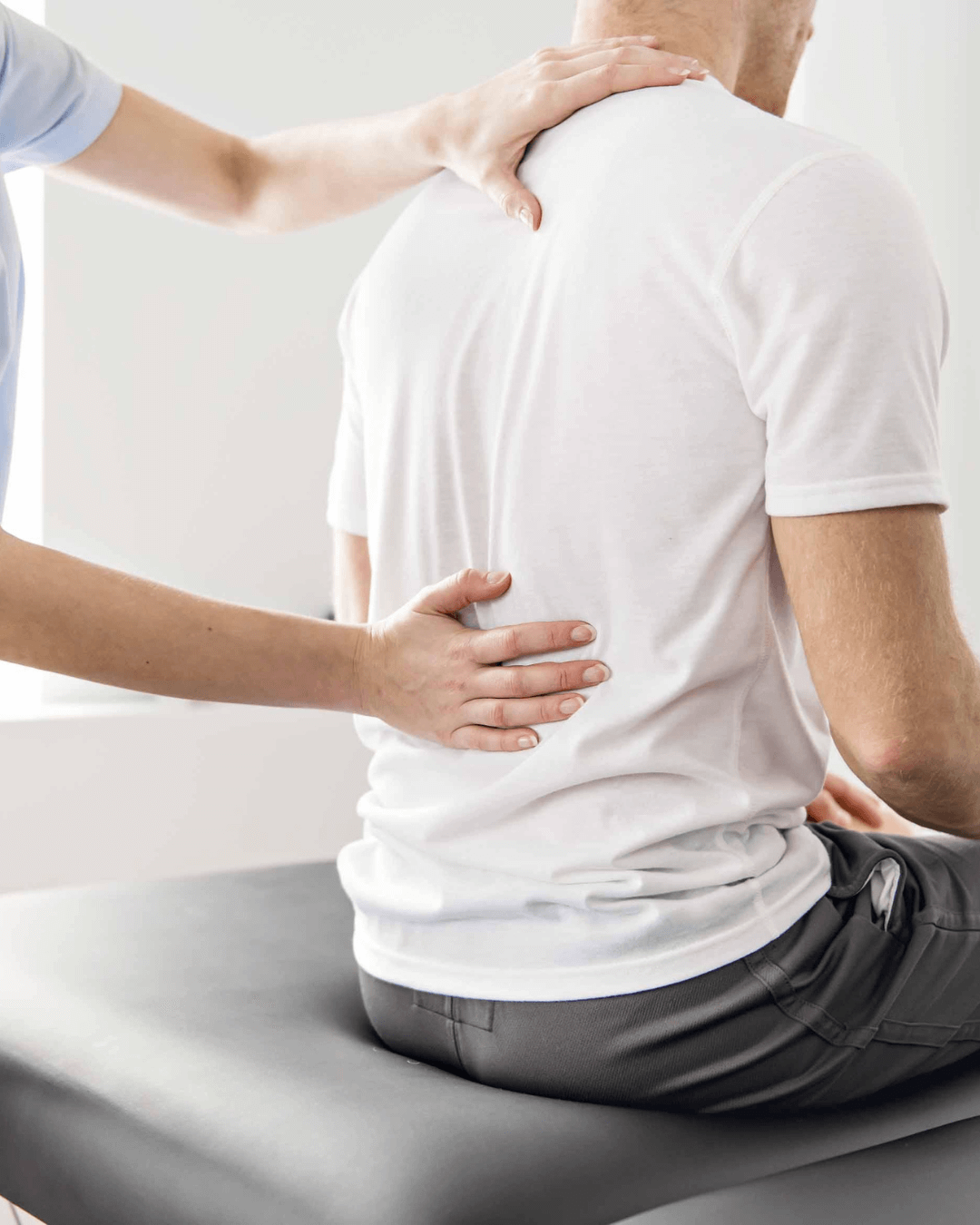
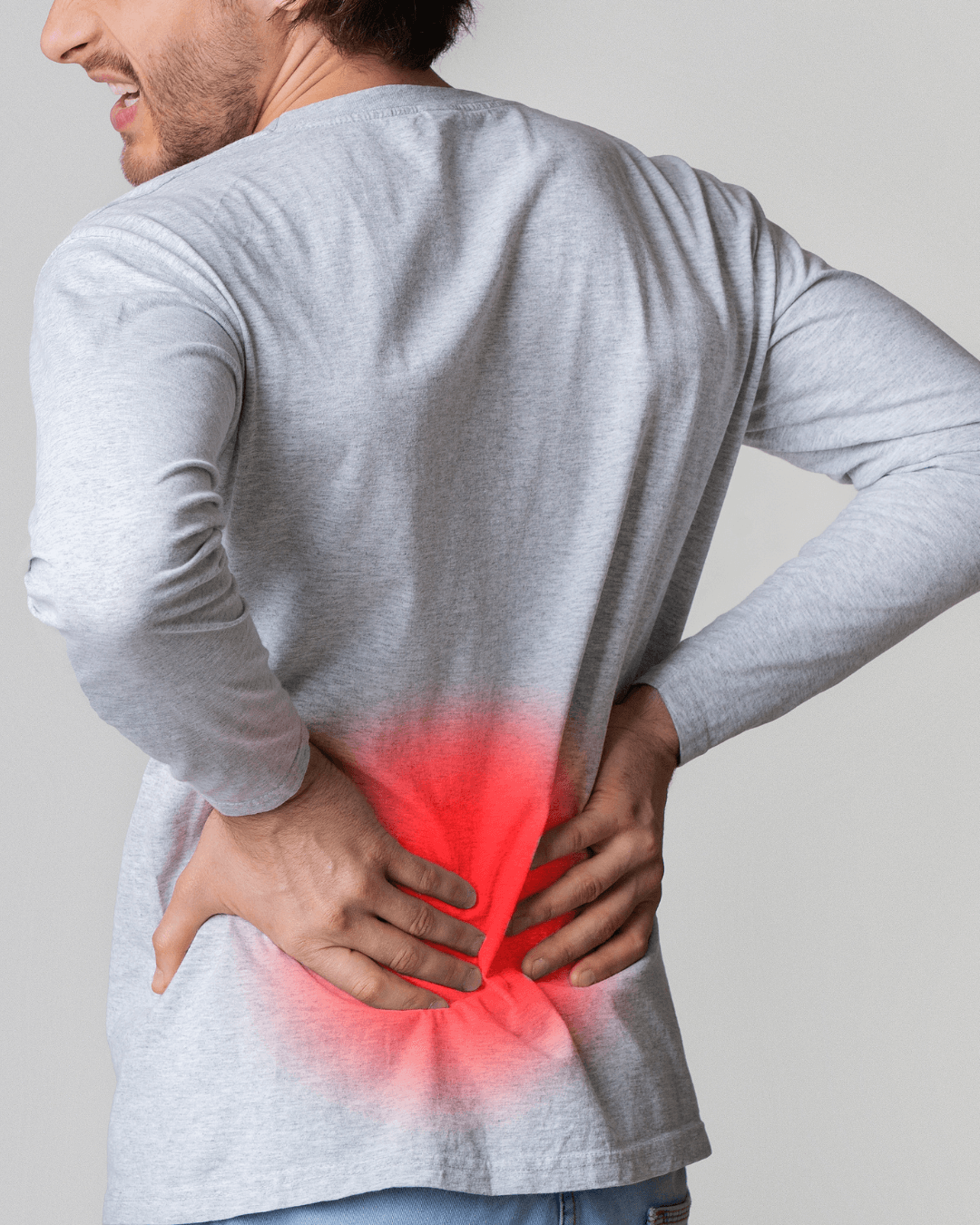
Hip pain – what it is and why it happens
Hip pain usually relates to the structures around the hip joint, including muscles, tendons, joint surfaces, and soft tissues that help control movement and absorb load. Pain felt around the hip does not always originate from the hip joint itself. For some people, symptoms are influenced by the pelvis or lower back, which can change how load is transferred through the hip when walking or standing.
Hip pain is often described as:
- Sudden (acute): it appears after a specific incident or activity change
- Persistent: it lingers longer than expected, disrupts sleep, or keeps returning
Because the hip plays a central role in walking and balance, even small changes in movement, strength, or recovery can affect symptoms.
Common hip pain symptoms
Hip pain varies from person to person. Common symptoms include:
- A deep ache around the hip or groin
- Sharp pain with certain movements
- Stiffness after rest or first thing in the morning
- Reduced range of movement at the hip
- Pain when walking, climbing stairs, or standing from sitting
- Discomfort getting in or out of a car
- Pain when lying on one side at night
- Tenderness on the outer side of the hip
- Pain spreading into the thigh, buttock, or groin
- Clicking or catching sensations during movement
If symptoms are worsening, disturbing sleep, or reducing your walking tolerance, an assessment can help clarify the likely drivers.
We’re Available!
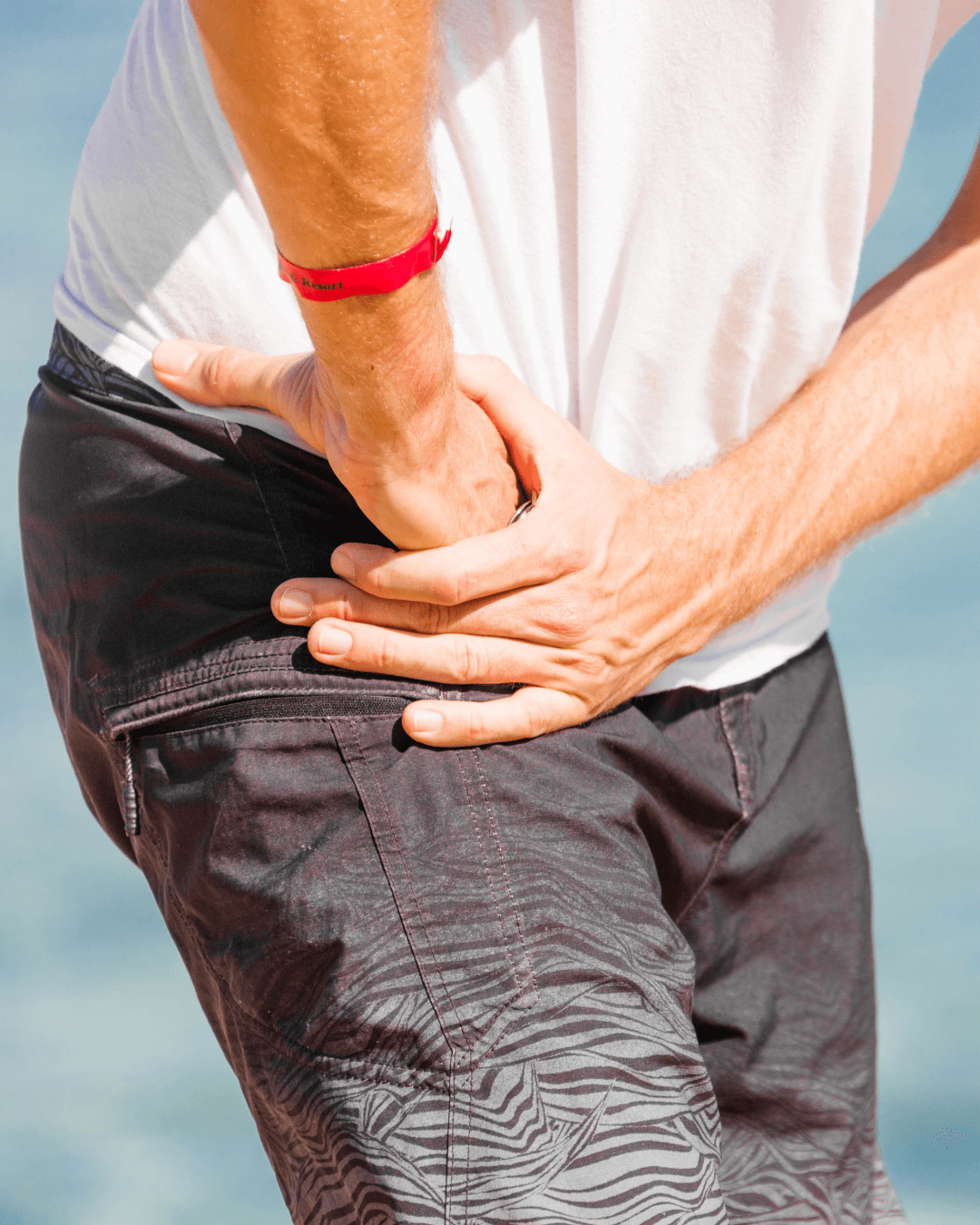
Where is your hip pain?
Hip pain in the groin (front of hip)
Pain at the front of the hip or groin is often felt with walking, twisting, or standing up from sitting. It may be aggravated by activities involving repeated hip flexion, such as climbing stairs or driving. The location of pain does not confirm the cause, but it can help guide what to assess.
Outer hip pain (side of hip)
Outer hip pain is commonly noticed when lying on one side, walking longer distances, or standing on one leg. It may feel tender to touch and can be sensitive during everyday activities. This pattern often benefits from load management and a plan to restore tolerance.
Hip pain in the buttock
Pain towards the back of the hip or buttock can be influenced by hip muscles, joints, or nearby structures. It may be worse with prolonged sitting, uphill walking, or certain gym exercises.
Hip pain going down the leg
Some people experience hip pain that travels into the thigh or down the leg. This does not automatically mean a nerve problem, but it does mean the hip, pelvis, and lower back should be assessed carefully so the plan matches what’s driving symptoms.
Common causes and triggers of hip pain
Hip pain is often linked to a combination of load, movement habits, and recovery rather than one single cause. Common contributors include:
Movement and load
- Sudden increases in walking, running, or hill work
- Training changes (new exercises, more frequency, higher intensity)
- Repetitive movements without enough recovery time
Posture and habits
- Long periods sitting or driving
- Consistently sleeping on one side without support
- Standing with weight shifted onto one hip
Muscles and tendons
- Reduced strength or control around the hip
- Tightness or fatigue in key muscle groups
- Tendon overload from repeated strain
Joint tolerance and mobility
- Gradual changes in stiffness or mobility over time
- Reduced tolerance to impact or long walks
Referred or linked pain
- Symptoms influenced by the lower back or pelvis
Pregnancy and postnatal changes can also alter hip load and movement patterns. If that is relevant, mention it in your assessment so advice is appropriate.

When to seek medical advice about hip pain (red flags)
Most hip pain is not serious, but it is important to know when symptoms need urgent medical attention.
Seek urgent medical help if you have
- Severe hip pain after a fall, collision, or accident
- Inability to weight-bear through the leg
- Sudden swelling, redness, or heat around the hip
- Fever or feeling unwell alongside hip pain
- New or worsening numbness, weakness, or loss of control in the leg
- Changes in bladder or bowel control
Book an assessment soon if
- Hip pain is worsening or not improving week to week
- Pain is regularly disturbing sleep
- Your comfortable walking distance is reducing
- Symptoms keep returning after activity
- Pain is affecting work, exercise, or daily tasks
If you are unsure what applies to you, it is safer to seek advice rather than waiting.
What helps hip pain settle?
Many people do best with a calm, practical approach that reduces flare-ups while keeping movement going.
- Keep moving gently rather than complete rest
- Avoid positions or activities that clearly aggravate symptoms
- Pace walking and exercise, building gradually
- Use heat or cold depending on what feels most comfortable
- Adjust sleep position (pillows can help reduce pressure)
- Break up long periods of sitting with small movement breaks
Medication advice should be discussed with a pharmacist or GP. If pain is ongoing or recurrent, assessment helps avoid guesswork.
We’re Available!
Hip pain treatment options
Treatment is guided by what is most likely contributing to your symptoms and what your body is currently tolerating. Options may include:
- Hands-on treatment to support movement and comfort
- Advice on load management for walking, stairs, sport, or work tasks
- Rehabilitation guidance to improve strength, control, and confidence in movement
- Education and self-management strategies to reduce flare-ups
- Support with return to activity in a paced, realistic way
Care is always tailored to the person, not just the label.
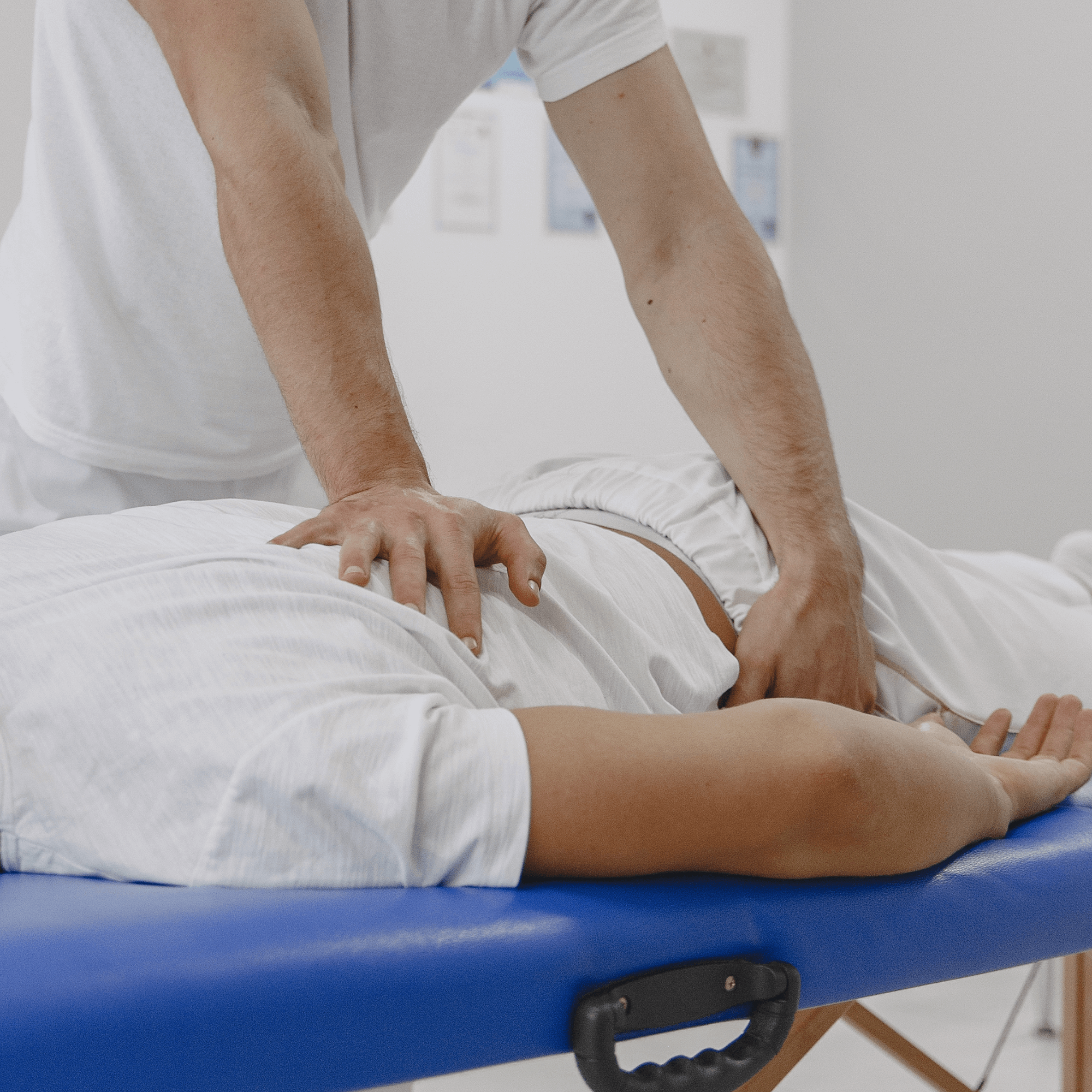
How we help with hip pain at Silverstone Osteopathy
At Silverstone Osteopathy, hip pain appointments focus on the reality of your day-to-day life, not just a list of symptoms. People often come to us because hip pain is limiting walking, disturbing sleep, affecting gym or sport, or making sitting, driving, and stairs uncomfortable. Some are dealing with a first flare-up, while others are frustrated that the problem keeps returning whenever they increase activity.
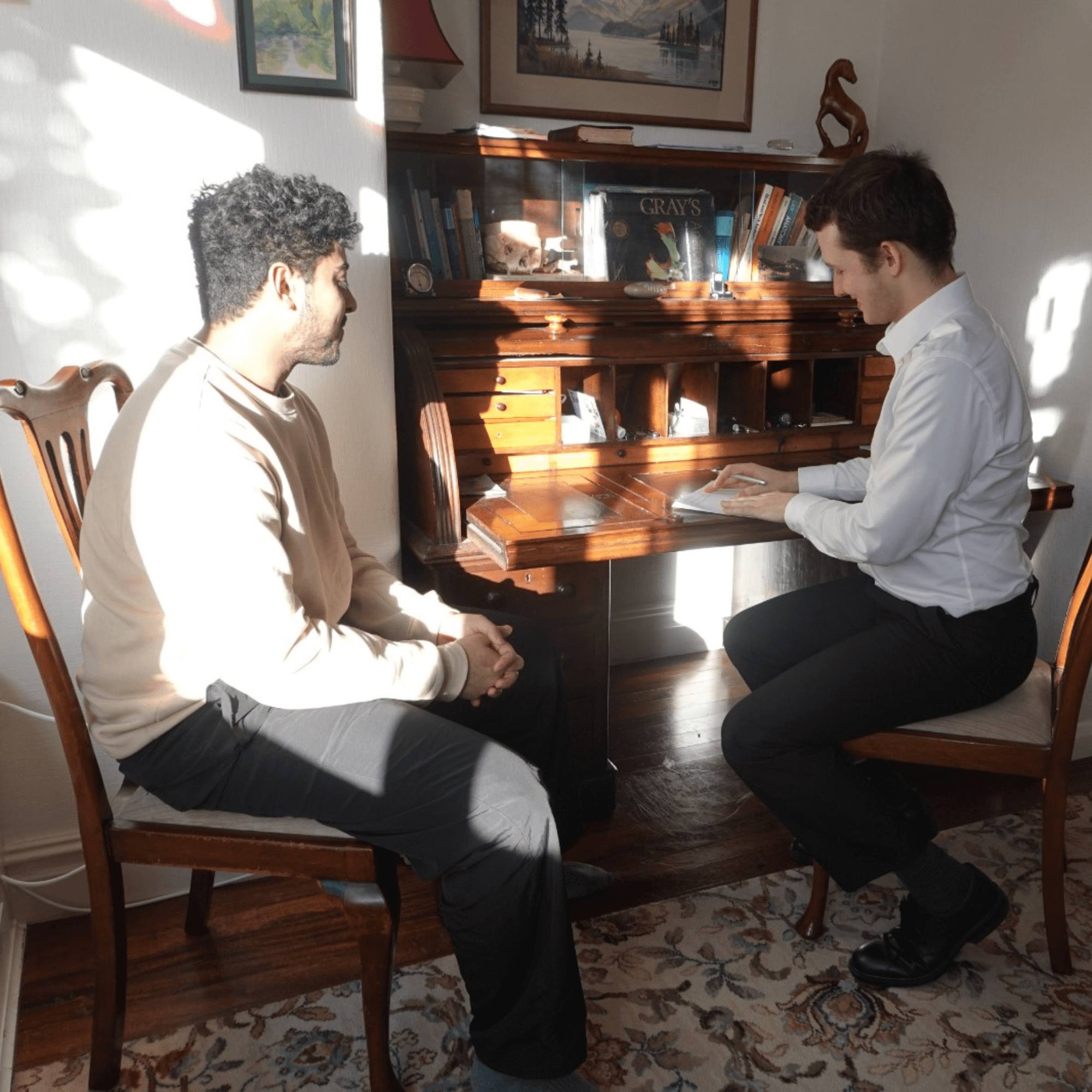
Your first appointment is not necessarily longer, but we often spend more time on case history to make sure the problem is appropriate to treat. We take whatever time is appropriate for you, which is usually around 45 minutes. We’ll look at what has been happening, what aggravates symptoms, and what you have already tried. We assess how the hip is moving and how it is being loaded during everyday movement, and we may also check related areas such as the pelvis and lower back when relevant. We then explain what we think is most likely contributing, in plain English, so you leave with clarity rather than guesswork.
Treatment is tailored to what your hip can tolerate and may include gentle hands-on techniques aimed at improving movement and easing tension, alongside practical advice to support recovery between sessions. Where appropriate, we will guide you on appropriate exercises and sustainable progression, so you can rebuild tolerance without constantly flaring symptoms.
Progress is reviewed at follow-up appointments and the plan is adjusted based on how you respond. Follow-ups also take whatever time is appropriate for you, and are usually around 45 minutes. If your symptoms suggest you need further investigation or another form of support, we will advise you on the most appropriate next steps.
Price Guide For Treatments
New Patient
(45 – 60 min)
£80
Follow Up
(45 min)
£65
What People Say About Us.

Contact Us.
Email Us
Call Us
020 8660 6632
Clinic Address
89 Brighton Rd, Purley CR8 4HD