
Back Pain Treatment in Purley
Back pain can make everyday tasks feel harder than they should. It might start suddenly after lifting or twisting, build gradually from long hours sitting, or flare up for reasons that are not always obvious. The good news is that many types of back pain respond well to the right mix of assessment, hands-on treatment, and practical guidance.
This page explains common back pain patterns, what usually helps, and when you should seek urgent medical advice. If you’d like a clear plan based on your symptoms and movement, you can book an appointment online.
If you’re looking for back pain treatment in Purley, this page explains common causes, symptoms, and when to seek help.
Back pain: what it is and why it happens
“Back pain” is a broad label that covers discomfort in the lower back, mid-back, or higher up around the shoulder blades. It can be linked to irritated joints, strained muscles, sensitive nerves, or overloaded tissues that have not had time to recover. Often, it is not one single thing but a combination of factors such as movement habits, stress, sleep, training load, and previous injuries.
Back pain also tends to change with posture and activity. That change is useful because it gives clues about what your back needs to settle.
Common back pain symptoms
Back pain can feel different from person to person. Common symptoms include:
- A dull ache or soreness in the back
- Stiffness, especially after sitting or first thing in the morning
- Sharp pain with bending, lifting, coughing, or changing position
- Tightness or muscle spasm
- Pain that worsens after driving, prolonged sitting, or standing
- Feeling guarded or “stuck” with reduced movement
- Pain on one side or across the back
- Discomfort that may travel into the buttock or down the leg
- Sleep disruption due to difficulty getting comfortable
- Flare-ups that come and go with stress or activity
If your symptoms are severe, worsening, or keep returning, an assessment can help clarify likely drivers and the safest next steps.
We’re Available!
Patterns we often see
Back pain linked to long periods in one position
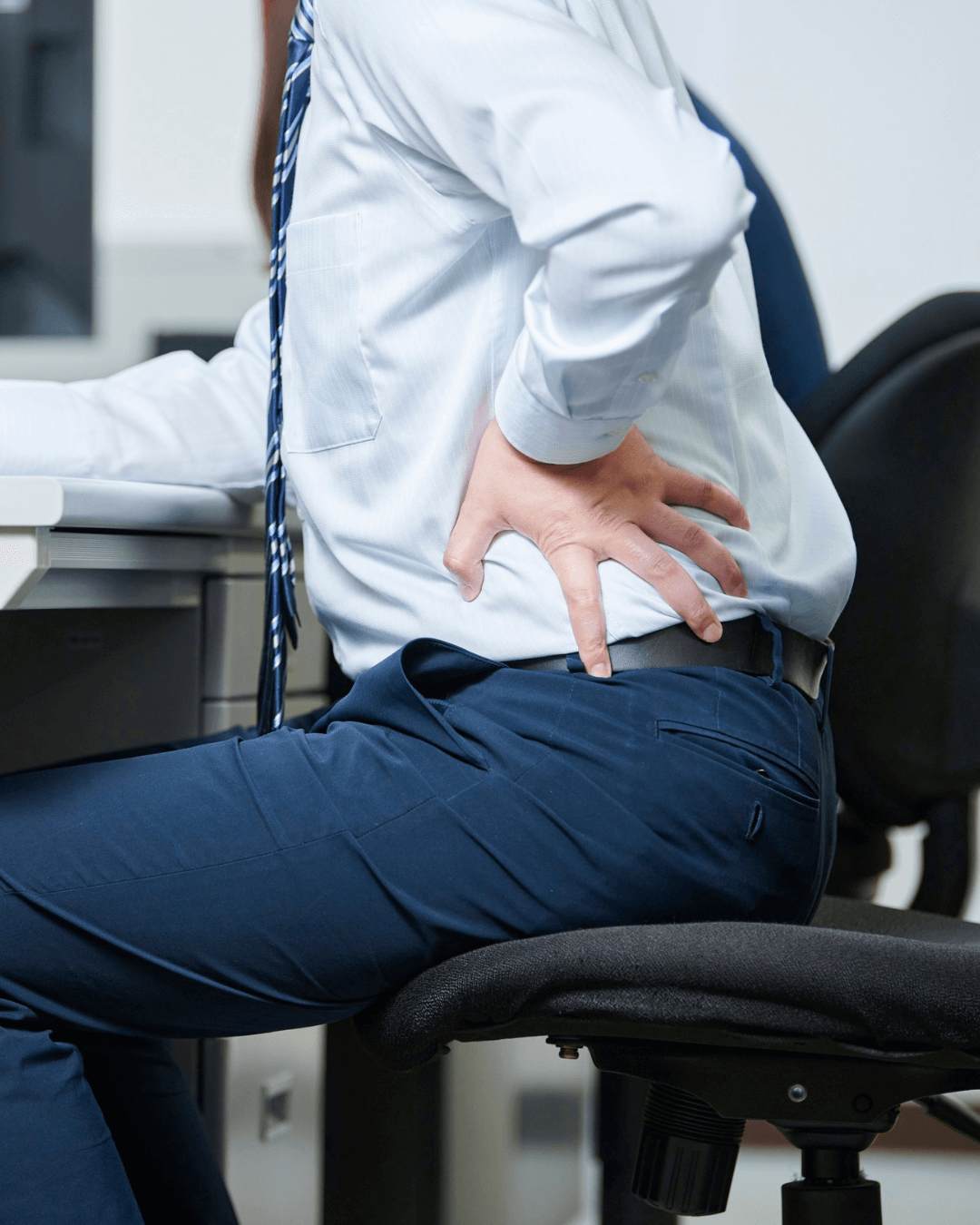
Spending extended time in the same position can increase stiffness and discomfort in the back. This may be from sitting at a desk, driving for long periods, standing for work, or lying in one position during sleep. The spine and surrounding tissues often respond better to gentle variation and regular movement rather than prolonged stillness.
Back pain when bending or lifting
This pattern is common when tissues are irritated or when movement patterns have adapted due to tight hips or reduced core control. It often follows a sudden increase in activity such as lifting, DIY, gardening, or returning to exercise after a break.
Back pain that starts for no obvious reason
Some people experience back pain without a clear trigger or injury. This can be linked to a combination of factors such as accumulated strain, reduced movement tolerance, stress, or sensitivity in the nervous system. Even without a single cause, symptoms can still be assessed and managed effectively.
Common causes and triggers (not a diagnosis)
Back pain can be triggered or maintained by things like:
-
Long periods in one position (sitting, driving, standing, sleeping), especially with limited movement variety day to day
-
Overload or a sudden increase in activity such as a lift, twist, awkward movement, DIY, gardening, childcare demands, work tasks, or returning to training after time off
-
Mobility and movement factors including tight hips, a stiff thoracic spine, or an altered gait pattern
-
Recovery and sensitisation factors such as poor sleep, high stress, previous injuries, falls, recurring flare-ups, or a desk setup that encourages one-position habits
When to seek urgent medical advice
Most back pain is not dangerous, but some symptoms should be checked urgently. Seek medical advice promptly if you have back pain alongside:
- New loss of bladder or bowel control
- Numbness around the groin or inner thighs
- Severe weakness in the leg that is getting worse
- Unexplained fever, chills, or feeling very unwell
- Significant trauma (for example a fall or accident)
- Unexplained weight loss, or a history of cancer with new severe pain
- Pain that is constant, progressive, and not eased by rest or position changes
If you are unsure, it is always safer to speak with a GP, NHS 111, or urgent care.

What usually helps back pain settle
Back pain often improves with a combination of gentle movement, sensible pacing, and reducing the triggers that keep it irritated. The aim is not to “push through” pain, but to keep your back confidently moving while it recovers.
Practical steps that often help:
- Keep moving little and often (short walks beat long rest)
- Change position regularly, especially if you sit for work
- Use heat if it eases stiffness (or cold if you prefer it for soreness)
- Reduce heavy lifting temporarily, then reintroduce gradually
- Prioritise sleep and recovery where possible
We’re Available!
Treatment options for back pain
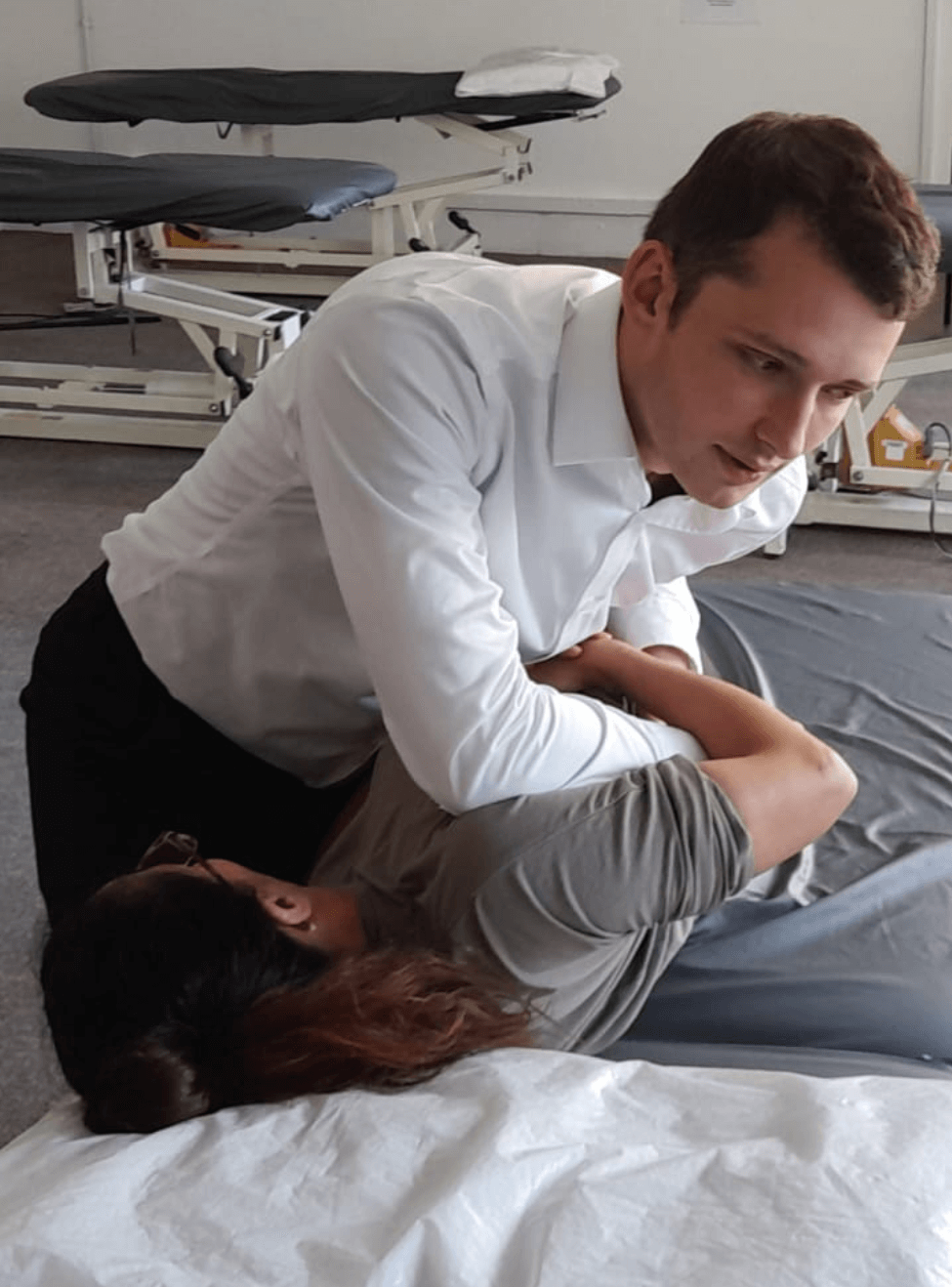
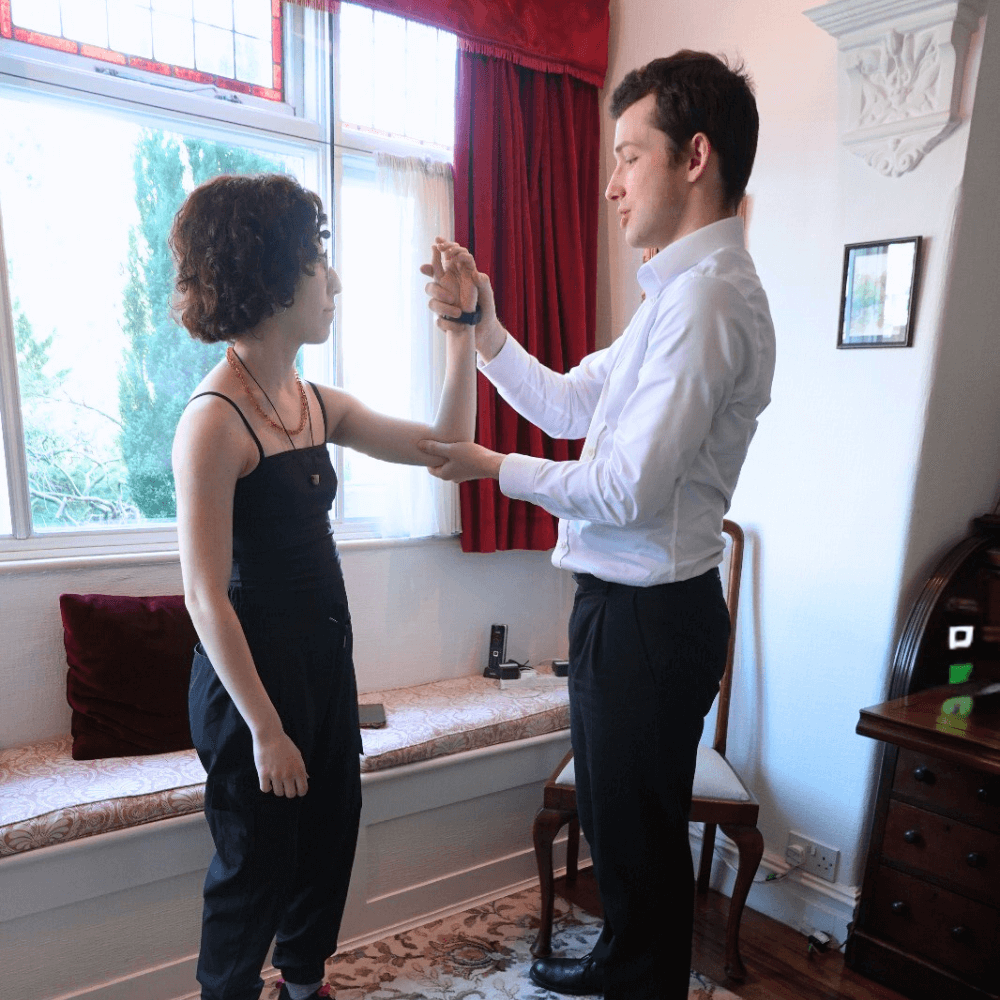
Treatment depends on what is driving your symptoms and what your body is currently tolerating. An osteopathic assessment typically looks at how the spine, hips, ribs, and surrounding tissues are moving, alongside your daily routine, work demands, and activity level.
Approaches may include hands-on treatment, guidance on exercise and pacing, and advice to support recovery between appointments. If something suggests you need additional medical investigation, you should be signposted appropriately.
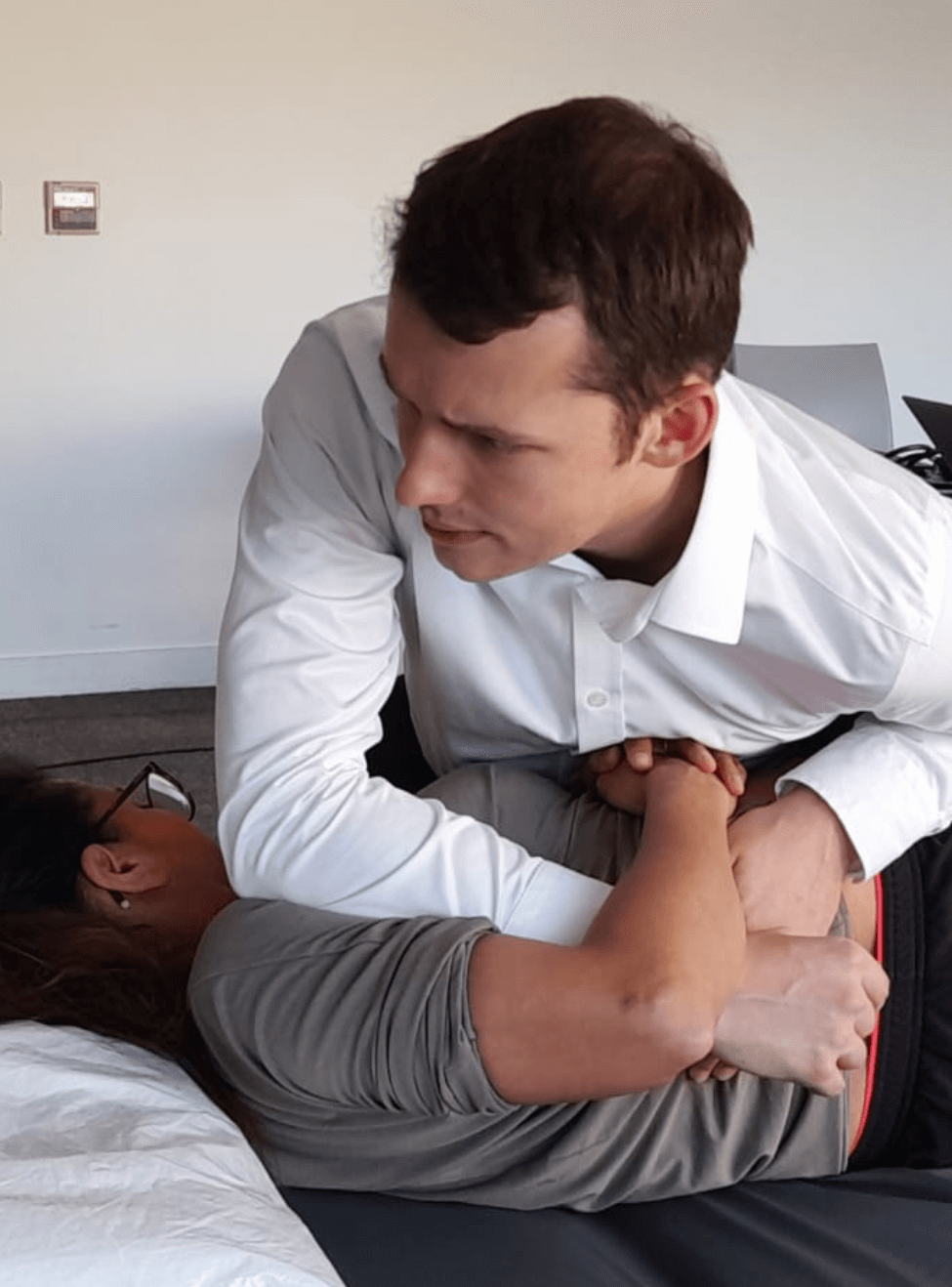
How we help with back pain at Silverstone Osteopathy
At Silverstone Osteopathy, back pain appointments focus on understanding your symptoms in the context of your real life. People often come to us because pain is interfering with work, sleep, walking, exercise, or simply feeling comfortable day to day. Some are dealing with a first flare-up, while others are frustrated by a problem that keeps returning.
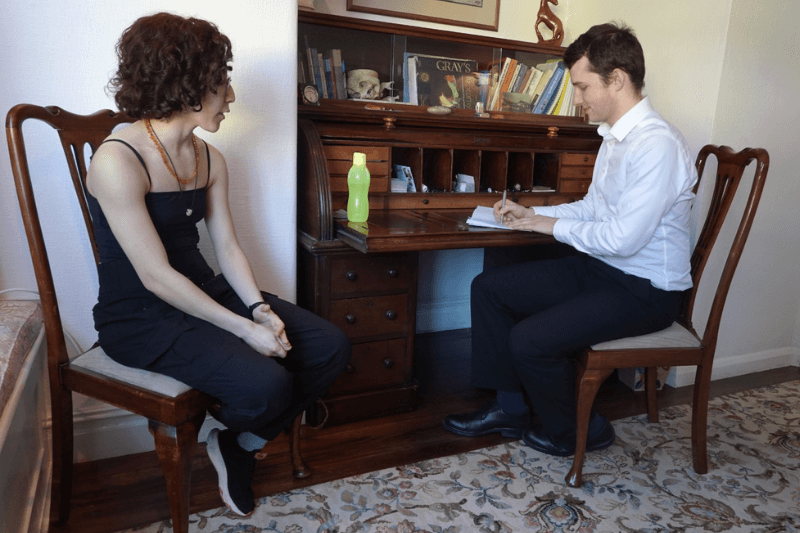
Your first appointment is not necessarily longer, but we often spend more time on case history to make sure the problem is appropriate to treat. We take whatever time is appropriate for you, which is usually around 45 minutes. We will assess the areas that commonly influence back pain, such as the spine, hips, and surrounding muscles, and explain what we think is most likely contributing to your symptoms. The aim is clarity and a practical plan, not vague reassurance.
Treatment is hands-on and tailored to what your back can tolerate on the day. Where appropriate, we also provide straightforward advice to help you keep improving between sessions, including guidance on appropriate exercises and sustainable progression. Progress is reviewed at follow-up appointments and the plan is adjusted depending on how your symptoms respond.
People often ask how many sessions they might need. As a guide, the average is around 4 sessions over 8 weeks, although this varies depending on severity, how long symptoms have been present, and how much day-to-day life is aggravating the problem.
We are also careful about safety. If your symptoms suggest you may need support outside osteopathy, we will advise you on the right next steps, including when to speak to your GP or seek urgent assessment.
If you’d like help with back pain and want a plan that fits your routine, you can book online below.
Can osteopathy help with back pain?
Osteopathy may help with many types of back pain, particularly when symptoms are linked to movement, posture, muscle tension, or joint stiffness. An osteopathic assessment looks at how your spine and surrounding areas are moving, alongside factors such as daily activity, work demands, and previous injuries. Treatment is tailored to what your body can tolerate and is usually combined with practical advice to support recovery between appointments.
How many sessions will I need?
The number of sessions varies from person to person. Some people notice improvement after one or two appointments, while others benefit from a short course of treatment to settle symptoms and restore movement. This depends on factors such as how long the pain has been present, how severe it is, and how your body responds. Progress is reviewed as you go, and treatment plans are adjusted accordingly.
Should I rest or keep moving?
In most cases, gentle movement is more helpful than complete rest. Staying still for long periods can increase stiffness and slow recovery. The aim is usually to keep moving within comfortable limits, gradually returning to normal activities as symptoms allow. Advice is tailored to your situation, especially if certain movements currently aggravate your pain.
What should I wear to my appointment?
Wear comfortable clothing that allows you to move easily, such as loose trousers, leggings, or shorts, and a top you can move in. You may be asked to remove layers so movement and posture can be assessed properly, but your comfort and privacy are always respected.
Is back pain a sign of something serious?
Most back pain is not caused by anything serious and often improves with the right management. However, certain symptoms do need urgent medical assessment, such as significant weakness, loss of bladder or bowel control, numbness around the groin, unexplained weight loss, or pain following major trauma. If anything concerning is identified, you should be advised on the appropriate next steps.
Can you help if pain goes into the leg?
Back pain that travels into the buttock or leg can have several causes, including irritation of nerves or surrounding tissues. An assessment can help identify likely contributing factors and whether osteopathic treatment is appropriate. If symptoms suggest you need further medical investigation or support outside osteopathy, you should be guided accordingly.
Price Guide For Treatments
New Patient
(45 – 60 min)
£80
Follow Up
(45 min)
£65
What People Say About Us.

Contact Us.
Email Us
Call Us
020 8660 6632
Clinic Address
89 Brighton Rd, Purley CR8 4HD