
Knee Pain Treatment in Purley
Knee pain is common and can affect the front of the knee, the inner or outer side, or the area behind the joint. Some people notice pain after a specific activity, while others find it builds gradually until walking, stairs, bending, or sport become uncomfortable.
Although knee pain can feel worrying, many cases are manageable with the right approach. A clear assessment helps identify what may be contributing and what steps are most likely to help. If you’re looking for knee pain treatment in Purley, this page explains common patterns, what helps, and when to seek further advice.
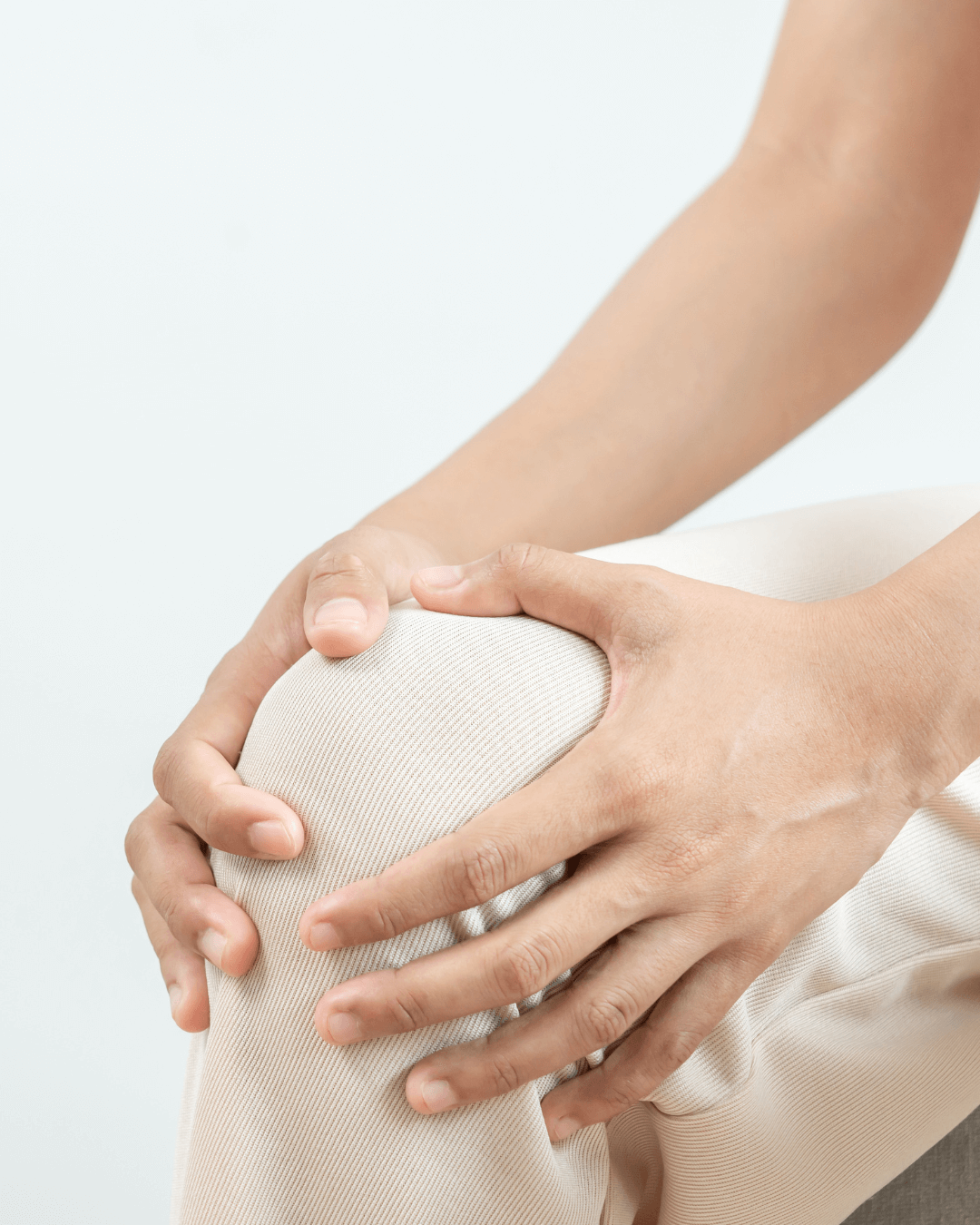
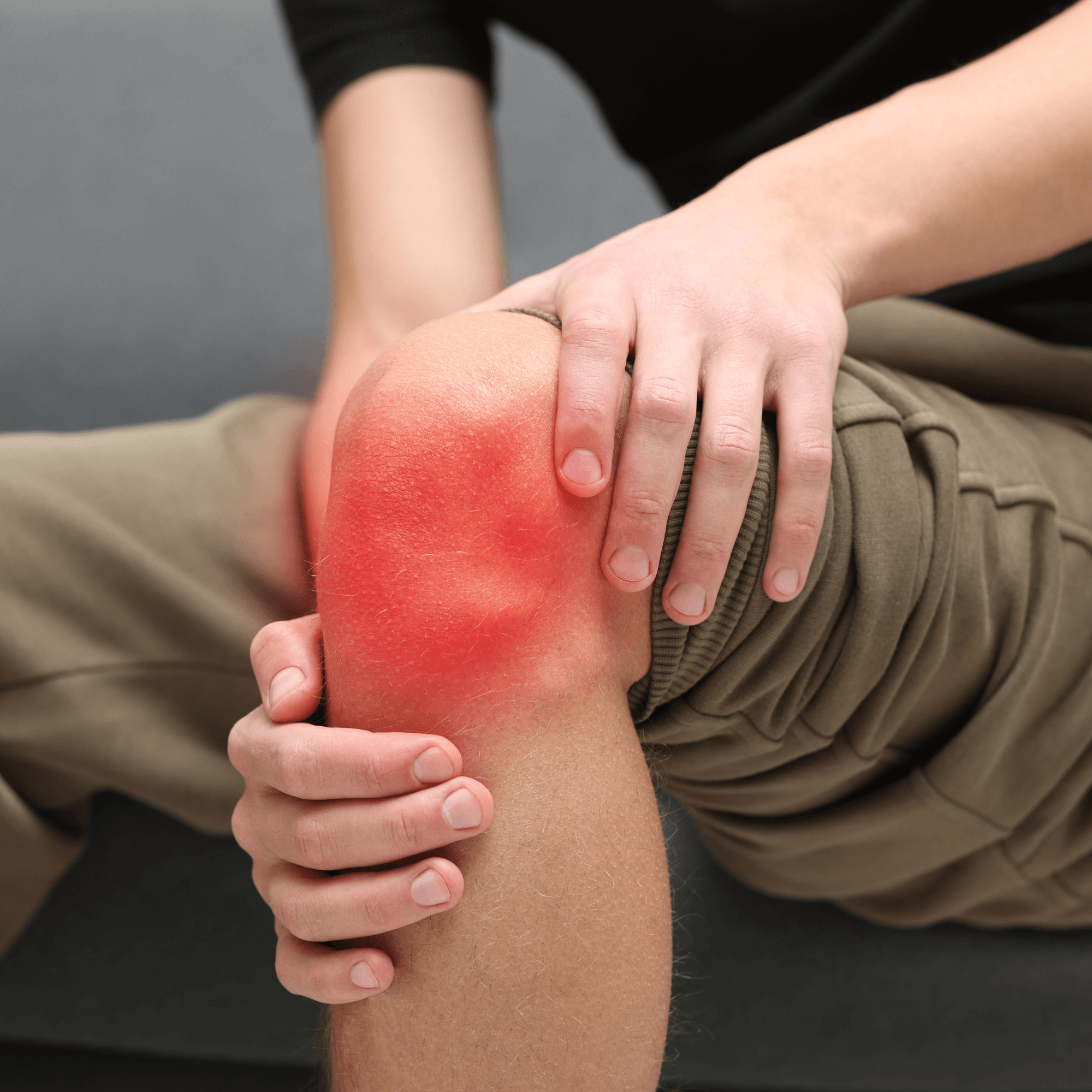
Knee pain – what it is and why it happens
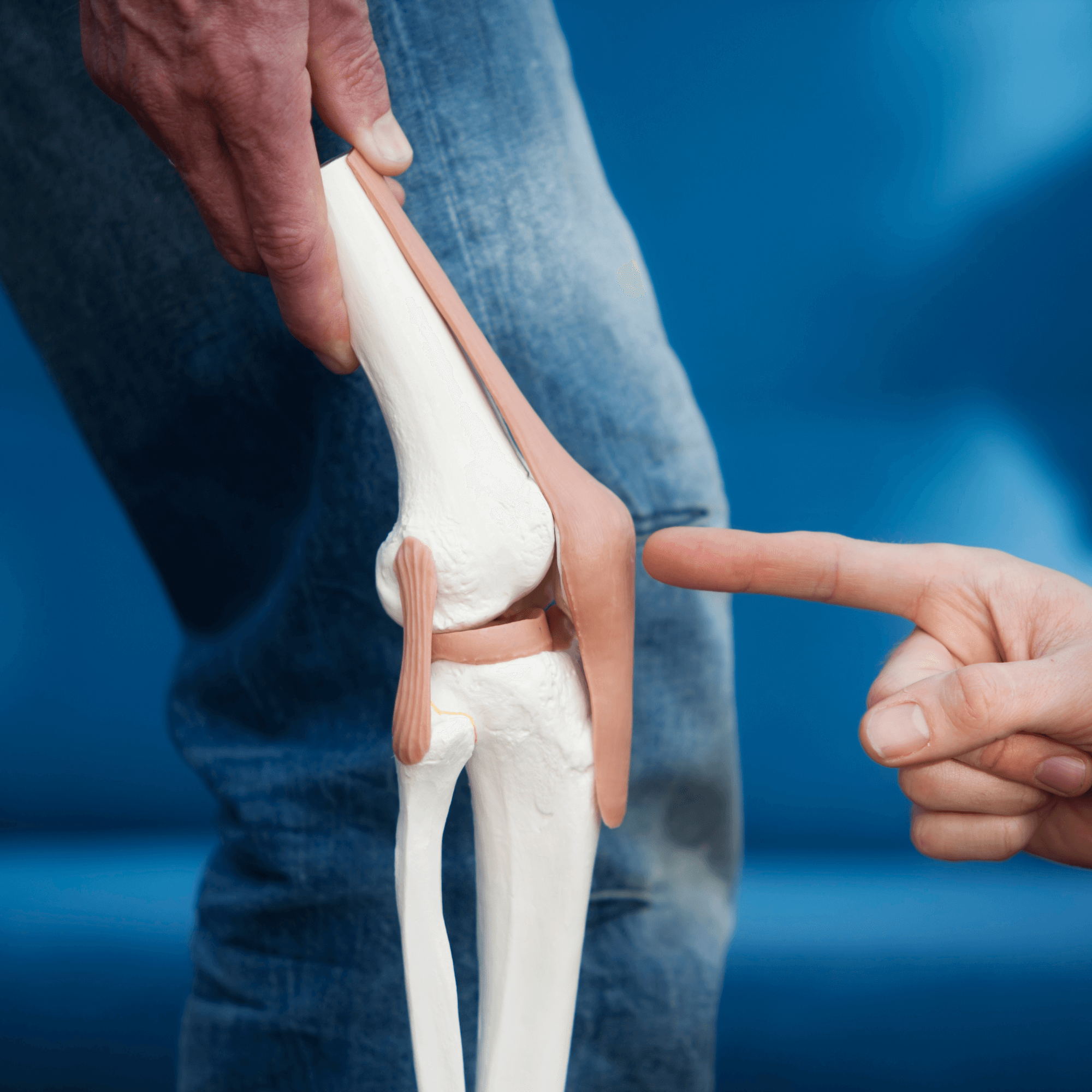
Knee pain refers to discomfort coming from the knee joint itself or the surrounding tissues that support movement and load, such as muscles, tendons, ligaments, and cartilage. Because the knee sits between the hip and ankle, symptoms are often influenced by how those areas are working as well.
Knee pain may appear suddenly after a twist, strain, or change in activity, or develop more gradually when the knee is coping with repeated load without enough recovery. Ongoing or recurring pain usually benefits from a clearer plan rather than guesswork.
Common knee pain symptoms
Knee pain can present in different ways. Common symptoms include:
- Aching or soreness around the knee
- Sharp pain with certain movements
- Stiffness, particularly after rest
- Pain when bending, squatting, or kneeling
- Discomfort on stairs or hills
- Swelling or a heavy feeling in the knee
- Tenderness in a specific area
- Clicking or catching sensations
- Reduced confidence loading the knee
- Pain that interferes with sleep
Assessment helps clarify which structures and movement patterns may be contributing.
We’re Available!
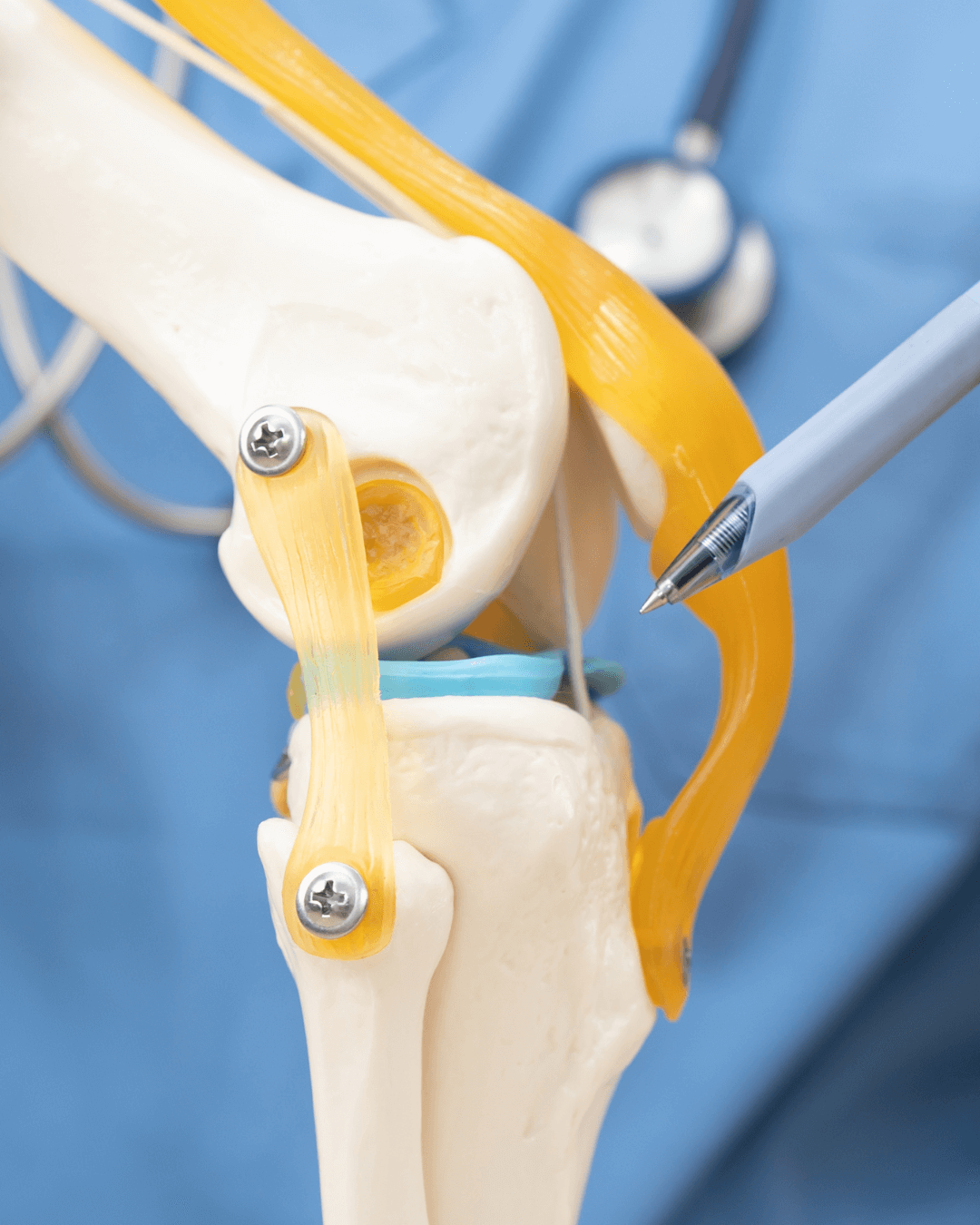
Where is your knee pain?
Front of knee pain (kneecap area)
Pain around the front of the knee is often noticed with stairs, squatting, getting up from sitting, or after prolonged sitting. It is commonly influenced by load tolerance and movement control rather than one single cause.
Inner knee pain
Inner knee pain may be felt during walking, twisting, or changing direction. It can also feel tender to touch. Understanding whether symptoms relate to joint sensitivity, soft tissue strain, or movement patterns helps guide the right approach.
Outer knee pain
Outer knee pain is often linked to repetitive activity, such as running or hill work, or tasks that increase side-loading. It may feel tight, sharp, or sore on the outside of the knee.
Pain behind the knee
Pain behind the knee can feel like pressure, tightness, or aching. Because this area can be affected by different structures, changes in swelling, calf symptoms, or pain pattern should be assessed carefully.
Swollen knee
Swelling may develop after irritation, overload, or injury and can make the knee feel stiff or heavy. Sudden swelling after a fall or a hot, red, swollen joint with fever needs urgent medical assessment.
Common causes and triggers of knee pain
Knee pain is often influenced by a combination of factors rather than one single issue.
Movement and load
- Stairs, squats, kneeling, lifting
- Repeated bending and straightening
- Longer walks or hill work
Training and activity changes
- Sudden increase in running or sport
- Returning to activity after time off
- Increases in speed, volume, or intensity
Strength and control
- Reduced hip or glute support
- Quadriceps or calf weakness
- Poor control during single-leg tasks
Mobility and mechanics
- Stiffness at the ankle or hip
- Altered walking or movement patterns
Joint tolerance
- Gradual changes in stiffness or sensitivity over time
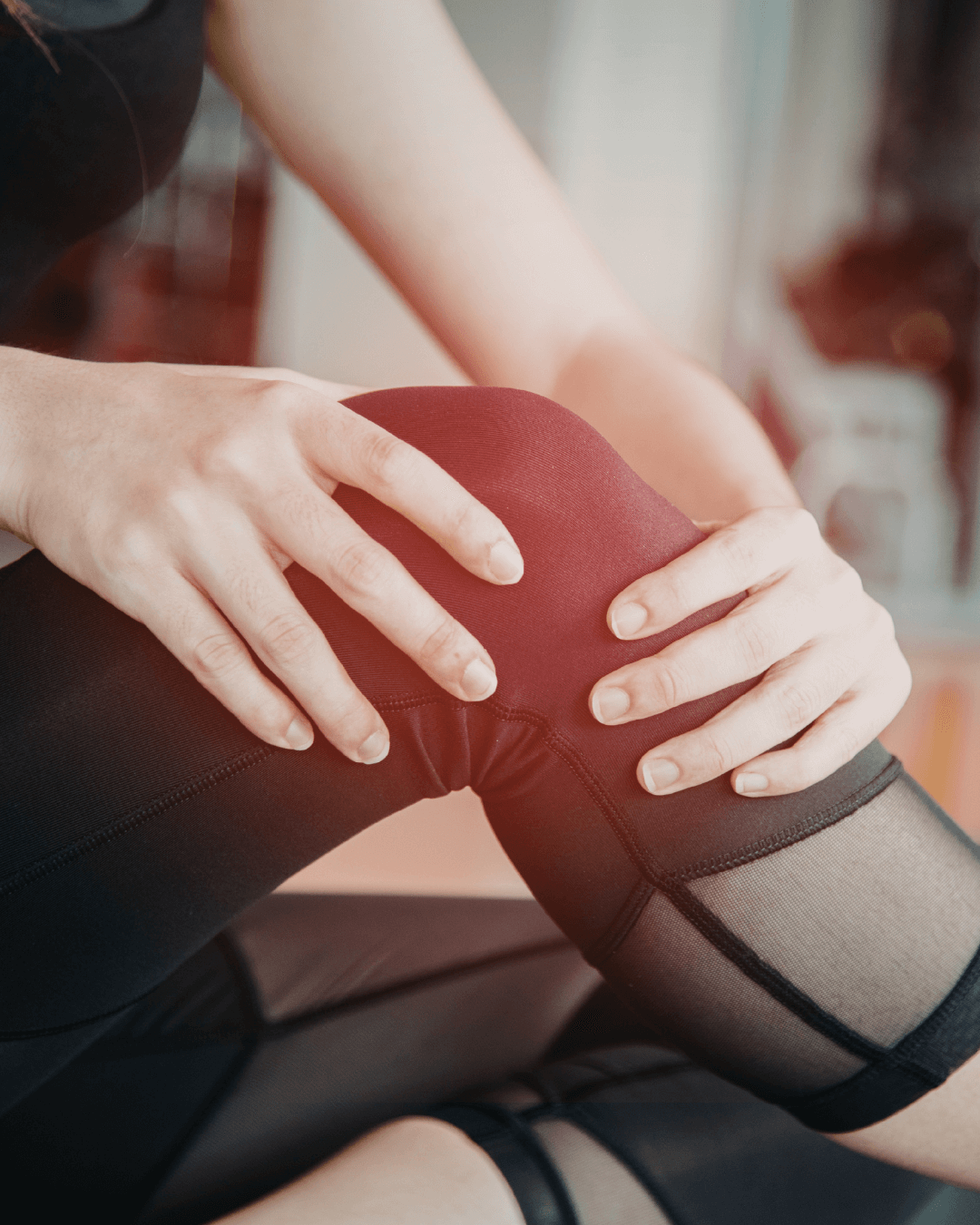
When to see a doctor about knee pain
Most knee pain is not serious, but some symptoms need prompt medical assessment.
Seek urgent medical advice if you have
- Severe knee pain after a fall or accident
- Inability to put weight through the leg
- A visible deformity
- A hot, red, swollen knee with fever or feeling unwell
- Sudden large swelling after injury
- New numbness, weakness, or loss of control in the leg
- Pain behind the knee with marked calf swelling or breathlessness
Book an assessment soon if
- Pain is worsening or not improving
- Knee pain regularly disturbs sleep
- Walking distance is reducing
- The knee repeatedly feels unstable
- Swelling keeps returning
- Pain is affecting work, daily tasks, or sport
What usually helps knee pain settle
Many people find knee pain improves with a calm, practical approach.
- Keep moving gently rather than complete rest
- Reduce clearly aggravating activities temporarily
- Pace walking and exercise, building gradually
- Use heat or cold if helpful
- Break up long periods of sitting
- Consider supportive footwear for longer walks
Medication advice should be discussed with a pharmacist or GP. Ongoing symptoms often benefit from assessment and a tailored plan.
We’re Available!
Knee pain treatment options
Treatment is guided by what is most likely contributing to your symptoms and how your knee responds to load. Options may include:
- Assessment to understand likely drivers
- Advice on activity and load management
- Rehabilitation exercises to improve strength and control
- Hands-on treatment to support comfort and movement
- Guidance on return to sport or exercise
- Referral for further investigation when appropriate
Care is always tailored to the individual.
How we help with knee pain at Silverstone Osteopathy
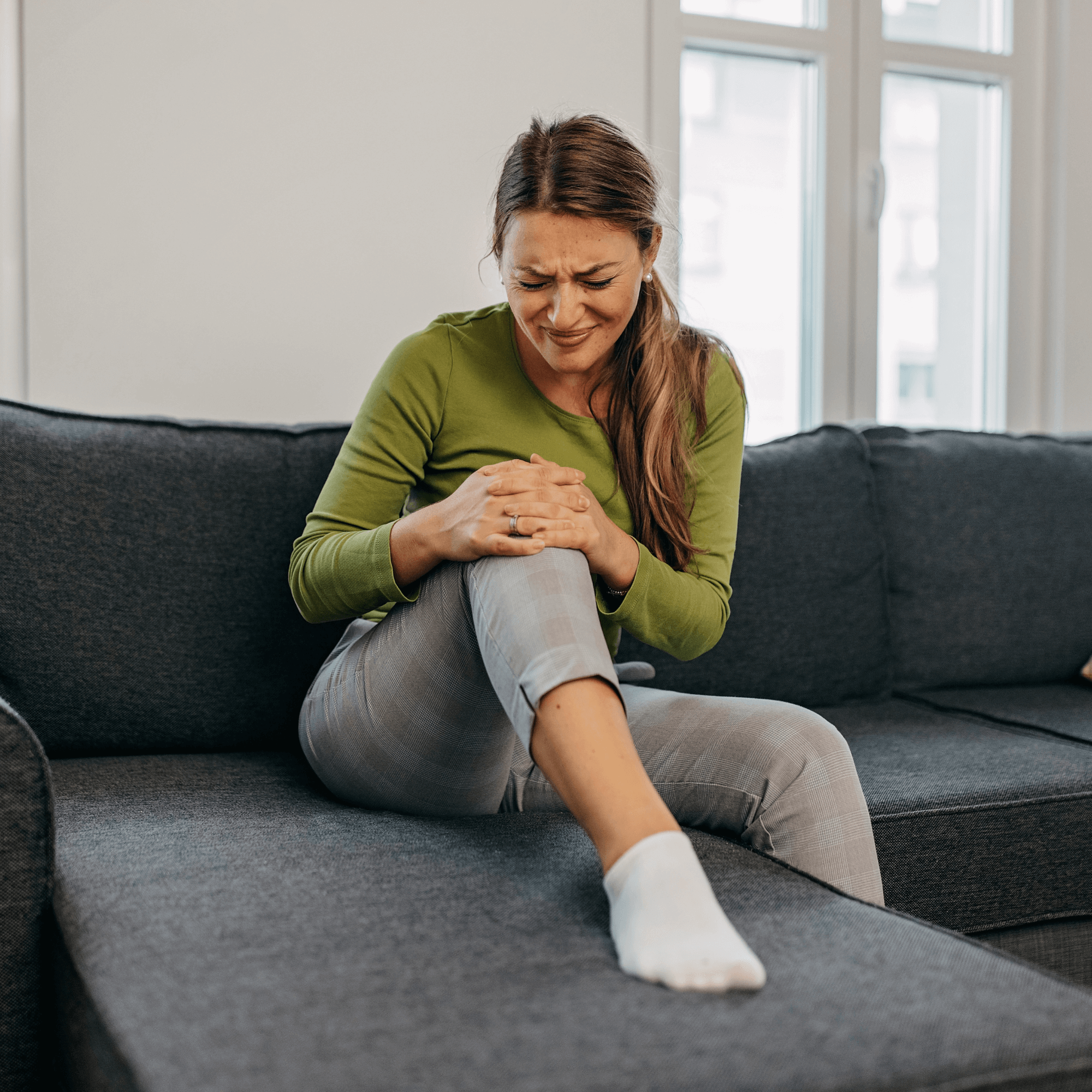
At Silverstone Osteopathy, people often come to us with knee pain that is affecting walking, stairs, work, sport, or sleep. Some are dealing with a recent flare-up, while others are frustrated by pain that keeps returning whenever activity increases.
Your first appointment allows time to understand your symptoms fully, including how and when they started, what aggravates them, and how they affect your day-to-day life. We assess how the knee is moving and loading, and also look at related areas such as the hip and ankle when relevant, as these can influence knee symptoms.
Osteopathic treatment is tailored to what your knee can tolerate and may include gentle hands-on techniques aimed at improving movement and easing tension. Where appropriate, we also provide practical guidance to support recovery between sessions, including pacing advice and movement strategies that fit your routine.
Progress is reviewed at follow-up appointments and the plan is adapted based on how your symptoms respond. If your presentation suggests you need further investigation or another form of care, we will advise you on the most appropriate next steps.
Price Guide For Treatments
New Patient
(45 – 60 min)
£80
Follow Up
(45 min)
£65
What People Say About Us.

Contact Us.
Email Us
Call Us
020 8660 6632
Clinic Address
89 Brighton Rd, Purley CR8 4HD