
Shoulder Pain Treatment in Purley
Shoulder pain can make everyday activities unexpectedly difficult. Reaching overhead, lifting objects, sleeping on one side, or even getting dressed can become uncomfortable or restricted. Some people experience a sudden onset after a strain or awkward movement, while others notice pain developing gradually over time.
In many cases, shoulder pain improves with the right combination of movement, guidance, and hands-on care. If symptoms are lingering, recurring, or starting to limit what you can do, an assessment can help clarify what may be contributing and what is most likely to support recovery. If you’re looking for shoulder pain treatment in Purley, this page explains common patterns, what helps, and when to seek further advice.
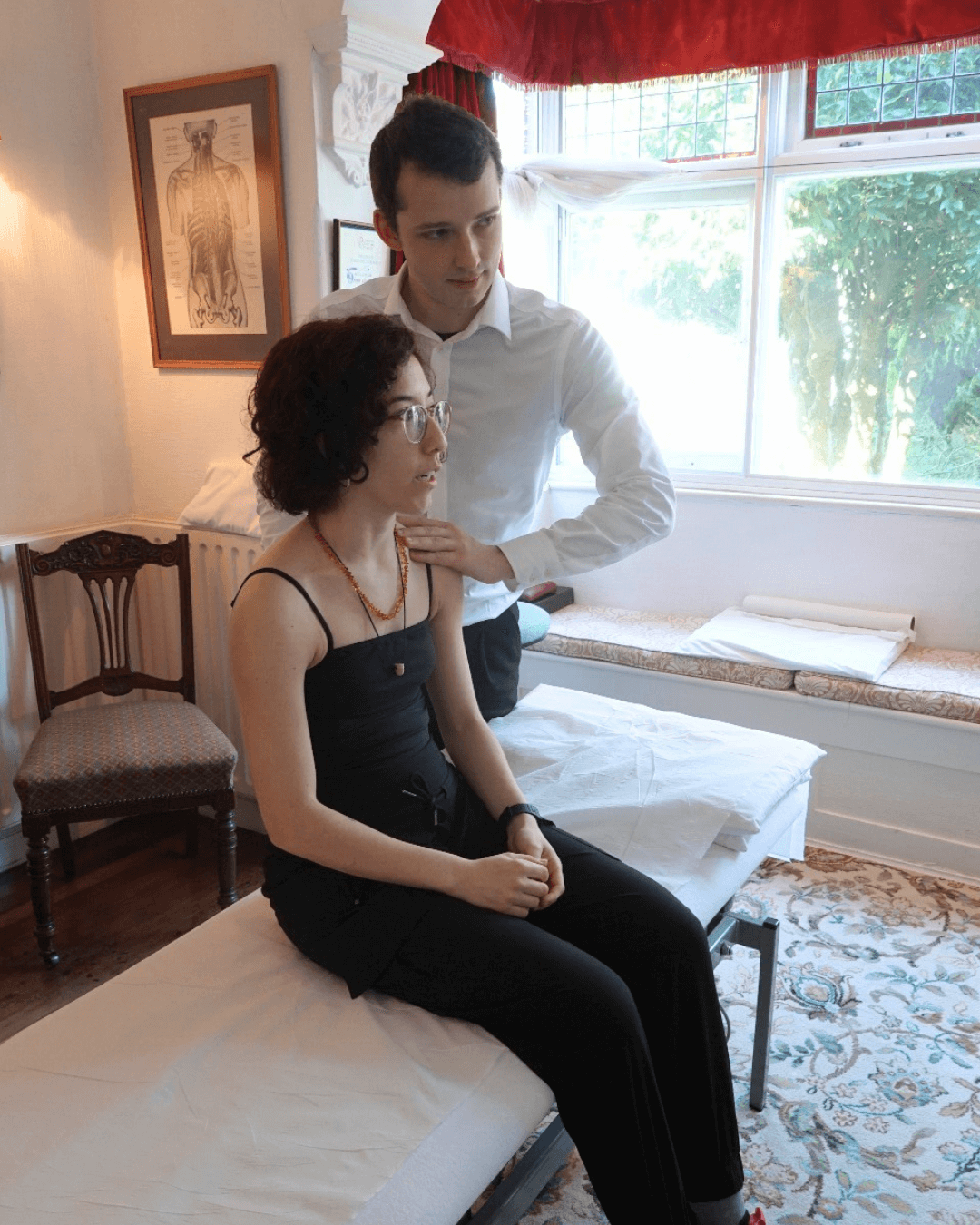

Shoulder pain – what it is and why it happens
The shoulder is a highly mobile joint supported by muscles, tendons, and surrounding structures that work together to allow a wide range of movement. Because of this mobility, the shoulder can become sensitive to overload, reduced movement control, or changes in how it is being used day-to-day.
Shoulder pain may develop after a specific incident, such as lifting or falling, or build gradually due to repeated strain, posture habits, or changes in activity. In some cases, discomfort may be felt around the shoulder itself, while in others it may spread into the upper arm, neck, or upper back.
Common shoulder pain symptoms
Shoulder pain can vary widely. Common symptoms include:
- Pain when lifting the arm or reaching overhead
- Discomfort when lying on the affected side
- Stiffness or reduced range of movement
- A dull ache at rest with sharper pain during movement
- Pain when reaching behind the back
- Weakness or a feeling of instability
- Clicking, catching, or grinding sensations
- Pain that spreads into the upper arm
- Disrupted sleep due to shoulder discomfort
An assessment can help identify which movements and structures are most involved.
We’re Available!
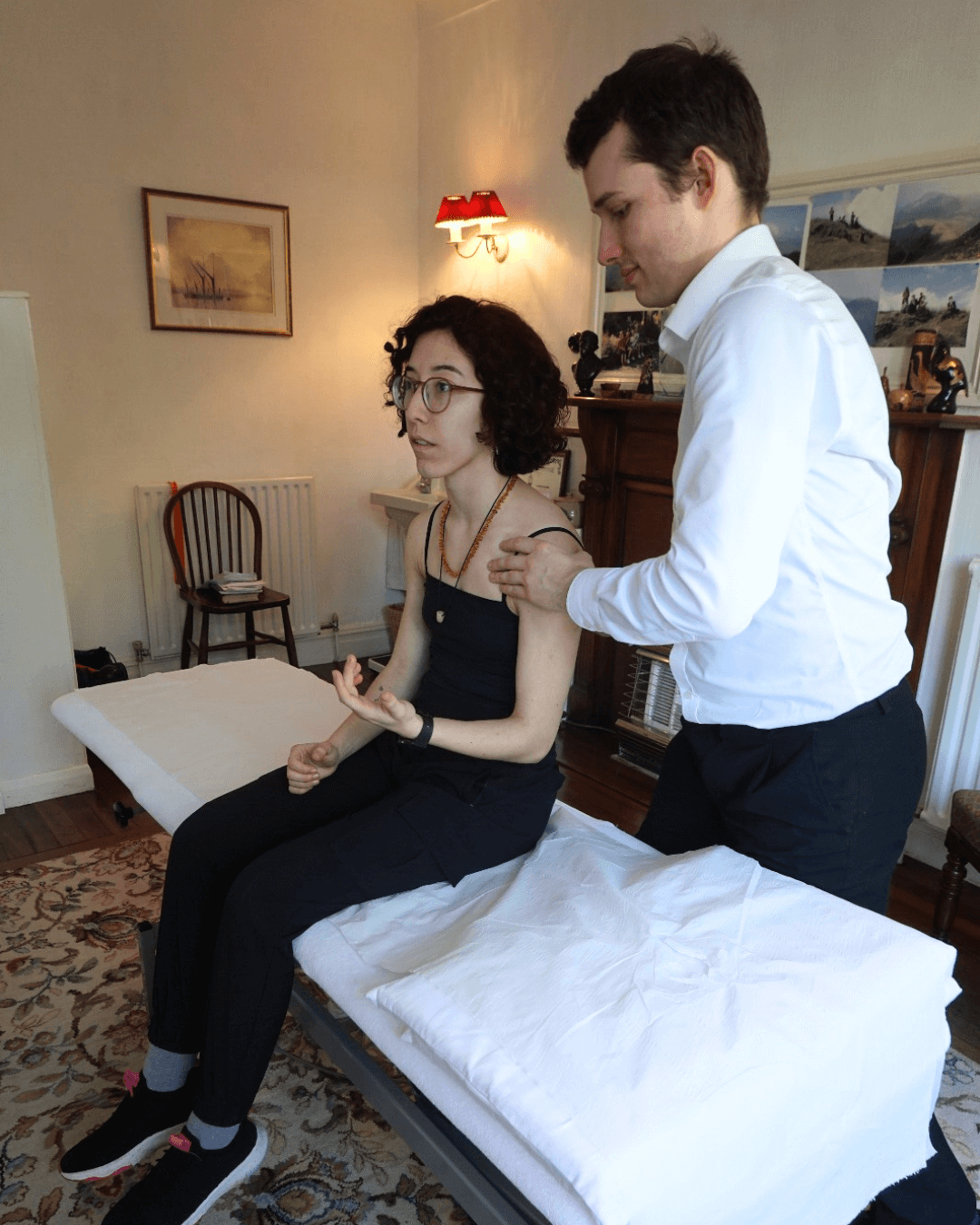
Different patterns of shoulder pain
Pain with lifting or reaching
Pain when raising the arm is common and may relate to irritation of shoulder tissues or reduced muscle coordination. This often becomes noticeable with overhead activities, lifting, or certain gym exercises.
Pain at night
Night pain is a frequent concern. It may be linked to sleeping position, pressure on the shoulder, or sensitivity when the joint is still for long periods. Persistent night pain should always be assessed.
Gradual stiffness or restriction
Some people notice a gradual loss of movement rather than sharp pain. This can make tasks like dressing or reaching behind the back more difficult and may require a more structured approach to restore movement.

Shoulder pain and the neck or upper back
Shoulder pain does not always originate solely from the shoulder joint. Reduced movement or tension in the neck or upper back can influence shoulder mechanics and contribute to symptoms. For this reason, assessment often looks beyond the shoulder itself to understand the wider picture.
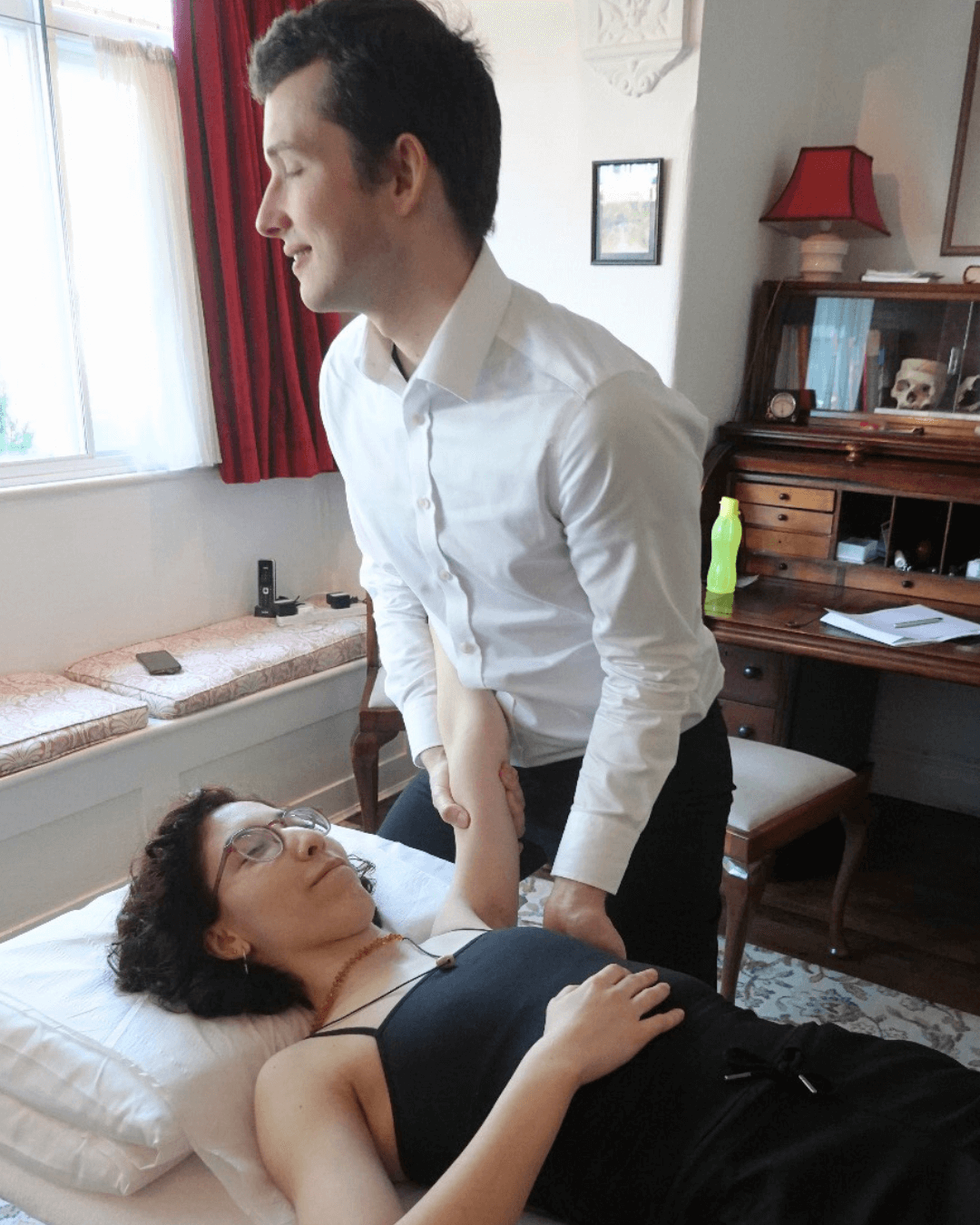
Common causes and triggers of shoulder pain
Shoulder pain is rarely due to a single factor. Common contributors include:
Movement and load
- Repetitive overhead activity
- Sudden increases in gym or sport intensity
- Lifting or carrying heavy items
- Awkward or unaccustomed movements
Posture and daily habits
- Prolonged desk or screen work
- One-sided tasks or carrying bags on one shoulder
- Reduced movement variety
Previous injury or flare-ups
- Old shoulder injuries that never fully settled
- Compensation due to neck or upper back stiffnes
Stress and tension
- Muscle tension across the shoulders and neck
- Guarding due to pain or worry about movement
When to see a doctor about shoulder pain
Most shoulder pain is not serious, but some symptoms should be assessed urgently.
Seek medical advice promptly if you have:
- Sudden shoulder pain after significant trauma
- Inability to move the arm at all
- Progressive weakness in the arm or hand
- Severe pain with fever or feeling unwell
- Redness, swelling, or heat around the joint
- Unexplained weight loss or night pain that does not ease
Book an assessment if:
- Pain has not improved after 1–2 weeks
- Symptoms keep returning
- Shoulder pain interferes with sleep or work
- Pain spreads into the arm or neck

What usually helps shoulder pain settle
Many shoulder problems improve with a balanced approach rather than complete rest. Helpful strategies often include:
- Keeping the shoulder moving within comfortable limits
- Avoiding activities that repeatedly aggravate symptoms
- Gradually reintroducing load as pain allows
- Heat or cold if these ease discomfort
- Adjusting work or sleep positions where possible
Persistent or recurring pain often benefits from a clearer plan based on assessment.
We’re Available!
Shoulder pain treatment options
Treatment depends on what is contributing to your symptoms and how the shoulder responds to movement. An osteopathic approach may involve hands-on treatment to support movement, alongside guidance on activity modification and gradual rehabilitation.
The aim is to help you move more comfortably and reduce flare-ups, while also addressing factors that may be contributing to recurring symptoms.

How we help with shoulder pain at Silverstone Osteopathy
At Silverstone Osteopathy, people often come to us with shoulder pain that is affecting lifting, sleep, work, or exercise. Some are dealing with a recent strain, while others are frustrated by pain that keeps returning or has gradually limited movement over time.
Your first appointment allows time to understand your symptoms properly, including when they started, what makes them better or worse, and how they affect your day-to-day activities. We assess how the shoulder moves, along with related areas such as the neck and upper back, to build a clear picture of what may be contributing.
Osteopathic treatment is tailored to what your shoulder can tolerate and may include gentle hands-on techniques aimed at improving movement and easing tension. Where appropriate, we also provide straightforward advice to help support recovery between appointments, such as guidance on movement, pacing, and activity modification.
Progress is reviewed at follow-up appointments, and care is adapted based on how your symptoms respond. If signs suggest you may need further investigation or a different form of support, we will advise you on the most appropriate next steps.
Price Guide For Treatments
New Patient
(45 – 60 min)
£80
Follow Up
(45 min)
£65
What People Say About Us.

Contact Us.
Email Us
Call Us
020 8660 6632
Clinic Address
89 Brighton Rd, Purley CR8 4HD